Posted on

Overcoming the Impact of U.S. Tariffs on Indian Ophthalmic Device Manufacturers

Overcoming the Impact of U.S. Tariffs on Indian Ophthalmic Device Manufacturers thumbnail

Overcoming the Impact of U.S. Tariffs on Indian Ophthalmic Device Manufacturers

The recent U.S. tariff hikes on Indian medical devices, including ophthalmic products, have challenged India’s growing medtech export ambitions. For ophthalmic manufacturers, these duties have narrowed profit margins and reduced price competitiveness in the American market. Yet, with the right strategic response, Indian firms can turn this setback into an opportunity for innovation and expansion.

1. Diversifying Export Markets:
Relying heavily on one market makes exporters vulnerable to policy shifts. Indian ophthalmic manufacturers can explore emerging destinations such as Southeast Asia, Africa, and Latin America, where demand for affordable eye-care equipment is growing and tariff barriers are lower.

2. Strengthening Domestic Demand:
India’s own ophthalmic market is expanding, driven by rising cases of cataracts, diabetic retinopathy, and refractive errors. By catering to domestic hospitals, clinics, and vision centers under the “Make in India” and “Ayushman Bharat” initiatives, manufacturers can offset export losses.

3. Value Addition and Innovation:
Moving up the value chain—from basic consumables to advanced surgical and diagnostic devices—can help justify higher prices even with tariffs. Investing in R&D, automation, and compliance with global standards (like US FDA and CE) builds long-term resilience.

4. Strategic Collaborations:
Partnerships with U.S. distributors or local assembly units can help bypass some tariff costs. Joint ventures, licensing, or technology-sharing arrangements also provide market access while maintaining cost efficiency.

5. Government and Industry Advocacy:
Working with Indian trade bodies to negotiate tariff relief or mutual recognition agreements could gradually restore balance.

In essence, while these tariffs have posed near-term challenges, India’s ophthalmic device industry can emerge stronger through innovation, diversification, and global collaboration—transforming adversity into a catalyst for sustainable growth.

Posted on

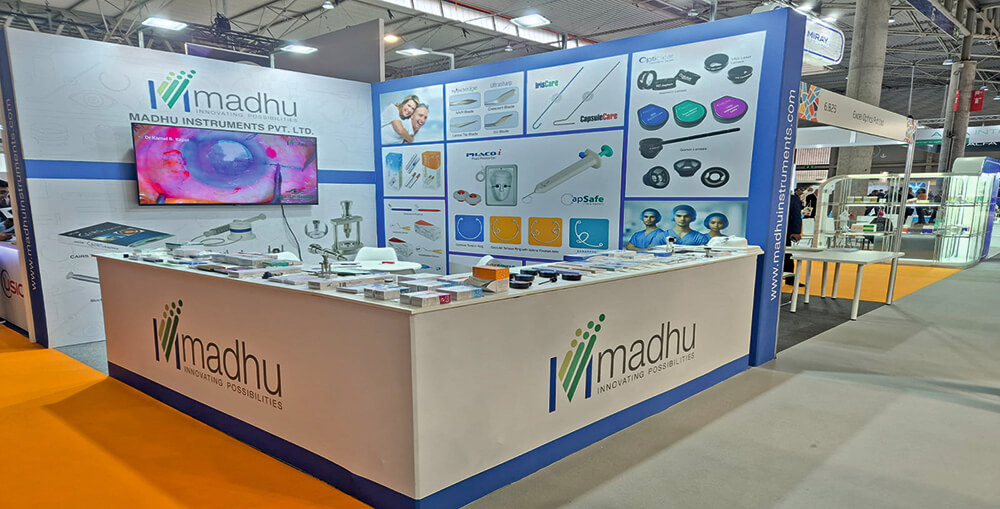
The most Organic form of Marketing- Participating in various Global Exhibitions and Conferences

1000x509pxls 1

The most Organic form of Marketing- Participating in various Global Exhibitions and Conferences

Participating in industry exhibitions and conferences offers a strategic platform to showcase our products, connect with key stakeholders, and position ourselves as innovators in our field. These events provide far more than just brand exposure—they offer direct business opportunities, valuable insights, and long-term advantages that can significantly accelerate growth.

1. Enhanced Brand Visibility and Recognition:
Exhibitions gather a concentrated audience of industry professionals, potential clients, media, and competitors. By showcasing our products in a professional setting, we significantly increase our brand’s visibility. A well-designed booth and compelling demonstrations can make a lasting impression, setting us apart in a competitive marketplace.

2. Direct Customer Interaction and Market Feedback:Face-to-face engagement allows us to demonstrate product features, answer technical questions, and receive immediate feedback. These real-time interactions are invaluable for understanding customer pain points and preferences, which can directly inform product development and marketing strategies.

3. High-Quality Lead Generation and Sales Opportunities:
Unlike cold outreach or digital ads, attendees at exhibitions are typically decision-makers or influencers actively seeking new solutions. This makes them high-potential leads. Many deals and partnerships begin with a simple booth visit, and the ability to nurture these relationships in person increases conversion chances.

4. Competitive Benchmarking and Market Trends:
Exhibiting gives us a front-row view of what competitors are offering, their messaging, and how customers are responding. It’s an opportunity to assess our position in the market, identify gaps or new trends, and stay ahead of emerging technologies or shifts in consumer expectations.

5. Strategic Networking and Collaboration:
These events bring together manufacturers, researchers, investors, and regulatory bodies under one roof. It’s an ideal environment to form strategic alliances, explore joint ventures, or identify new distribution and supply chain partners.

6. Boosting Credibility and Industry Authority:
Being present at reputable exhibitions enhances our credibility. It signals to the industry that we are serious players committed to innovation and transparency. When combined with speaking opportunities or product launches, this can further elevate our status as thought leaders.

7. Learning and Professional Development:
Conferences often include keynote sessions, technical workshops, and panel discussions. Attending these sessions allows our team to gain insights into the latest developments, regulatory updates, and best practices—knowledge that can strengthen our internal capabilities. In conclusion, investing in exhibitions and conferences is not merely a marketing expense but a strategic initiative. It connects us directly with our target audience, informs our business strategy, and reinforces our brand’s visibility.

Posted on

Importance of customer feedback in developing reliable medical devices

Image

Importance of customer feedback in developing reliable medical devices

Customer feedback plays a crucial role in shaping the development and refinement of any product. For ophthalmic medical devices, which directly impact the quality of vision and overall eye health, integrating feedback from ophthalmologists and patients is not just beneficial—it’s essential. Let’s see how-

1.  Enhancing Device Usability
Usability is a critical factor in the success of any medical device. User feedback helps identify issues related to the ease of use, design, and overall user experience. For example, if the user finds a device’s holding difficult, manufacturers can make adjustments to the device’s ergonomics. In ophthalmology, where precision is paramount, even small improvements in usability can significantly impact the effectiveness of the device.

2. Improving Accuracy and Reliability
It is a non-negotiable for a medical device to be accurate and reliable. Feedback from users helps manufacturers understand the device’s performance in various clinical scenarios. If users report issues with the accuracy of measurements or inconsistent results, manufacturers can investigate and refine the device’s technology to ensure it meets the highest standards of precision and reliability.

3. Refining Training and Support Materials
Effective training and support materials are essential for ensuring that ophthalmologists can use the devices correctly and confidently. User feedback can reveal gaps in training materials or support resources. If users struggle with certain aspects of a device or its operation, manufacturers can enhance their training programs, create more comprehensive user manuals, and provide additional resources to address these challenges.

4. Addressing Safety Concerns
Safety is a top priority in any medical device development. Feedback from end-users is crucial in identifying potential safety issues or concerns that may arise during the use of a device. For example, if users report discomfort or adverse reactions related to a device, manufacturers can take immediate action to investigate and resolve these issues to ensure patient safety.

4. Driving Innovation and New Features
User feedback is also a driving force behind innovation. Insights from users can inspire new features or improvements that may not have been initially considered. For instance, if ophthalmologists suggest the inclusion of a particular functionality that could enhance the device’s performance or patient outcomes, manufacturers can evaluate and potentially integrate these suggestions into future iterations of the device.

6. Fostering Collaboration and Trust
Engaging with users and incorporating their feedback fosters a collaborative relationship between manufacturers and ophthalmologists. This collaboration not only leads to better-designed devices but also builds trust and demonstrates a commitment to addressing the real needs of users. It creates a feedback loop where users feel valued and are more likely to contribute constructively.

Overall, incorporating user feedback into the development of ophthalmic medical devices is not just a best practice—it’s a fundamental aspect of creating effective, user-friendly, and safe products. By actively seeking and integrating feedback from ophthalmologists and patients, manufacturers can ensure their devices meet the practical needs of the users, enhance performance, and ultimately contribute to better eye care outcomes. This ongoing dialogue between manufacturers and users is essential for driving innovation and advancing the field of ophthalmology.

Posted on

Importance of inventory management – minimum stock levels and ordering on time by your purchase team/stores

inventory control

Importance of inventory management - minimum stock levels and ordering on time by your purchase team/stores

How did you feel when you had to cancel/postpone a surgery due to non-availability of the required medical devices in the hospital store? What was the cost of that device and how much did it cost to you in terms of your reputation and actual financial loss due to the cancellation of that surgery? Would you like such a situation to be repeated in future?

In any surgical procedure, due to a human life being at stake, the immediate availability of surgical instruments and pharmaceuticals is indispensable. Hence, the inventory management of these products emerges as a cornerstone of a successful surgery. This blog delves into the significance of inventory management in the medical industry and the vital practices of setting minimum stock levels and ensuring timely orders through a proactive purchase team.

Ophthalmology, dedicated to preserving and enhancing vision, is characterized by a diverse range of products, including high-tech equipment, pharmaceuticals, and medical devices. To ensure seamless operations, clinics/hospitals rely heavily on effective inventory management. At its core, inventory management encompasses the systematic control of stock levels, distribution, and order replenishment. Let’s explore how meticulous inventory management practices contribute to the success and how maintaining optimal stock levels and timely procurement can be a game-changer.

Importance of Inventory Management in the Eye clinics/hospitals

Ensuring Continuity of Care: The eye clinics/hospitals play a crucial role in preserving one of our most precious senses – vision. Whether it’s diagnostic tools, surgical instruments, or prescription medications, the availability of these items directly impacts patient care. Effective inventory management guarantees that the right products are always on hand, ensuring that patients receive timely and appropriate treatment.

Reducing Costs and Wastage: In a field where precision is paramount, surplus stock can lead to wastage as certain items might have limited shelf lives. Excessive inventory ties up capital, occupies valuable storage space, and can ultimately result in an inventory of expired devices. By maintaining optimal stock levels, costs can be controlled, and wastage minimized.

Mitigating Supply Chain Disruptions: The eye clinics/hospitals rely on a domestic and global supply chain, which can be susceptible to disruptions due to factors like geopolitical tensions or natural disasters, holidays and production shortages. Effective inventory management practices act as a buffer against such disruptions, ensuring that essential supplies are available even during challenging times.

Enhancing Customer Satisfaction: Ophthalmic hospitals depend on the ophthalmic medical device manufacturers for reliable and efficient solutions. Shortages or delays in products can lead to patient dissatisfaction and impact the reputation of both manufacturers and healthcare providers. Well-managed inventory helps maintain a consistent supply, fostering trust and satisfaction among the patients. 

Minimum Stock Levels: Ensuring Optimal Inventory

Setting minimum stock levels is a crucial facet of inventory management that directly impacts operational efficiency. Here’s why:

Preventing Stockouts: Stockouts can have detrimental consequences, particularly in the eye clinics/hospitals, where timely interventions are critical. By defining minimum stock levels, stores/purchase teams ensure that they always have a safety net of supplies to meet unexpected surges in demand or delays in procurement.

Balancing Demand and Supply: Determining the right minimum stock levels involves a delicate balance between demand variability and lead time for replenishment. With accurate historical data and demand forecasting, stores/purchase teams can strike this balance, minimizing excess stock while avoiding stockouts.

Enabling Lean Inventory Practices: Minimum stock levels encourage lean inventory practices, where resources are utilized optimally without excessive tying up of capital in inventory. This approach aligns with the hospital’s need for cost-efficiency while maintaining operational readiness.

Multiple suppliers: Purchase team needs to identify the lead time of each supplier and identify back up suppliers in case the primary supplier is not able to deliver the ordered goods in time.

On time payments: Purchase team must adhere to the mutually agreed healthy payment terms to ensure that financial issues do not cause delayed or disrupted supplies.

Ordering on Time: The Role of a Proactive Purchase Team

Timely ordering is the foundation of successful inventory management. A proactive purchase team plays a vital role in ensuring that supplies are replenished before stocks deplete to critical levels. Here’s why this aspect is indispensable:

Reducing Lead Time Impact: Lead time, the time taken between placing an order and receiving it, can significantly impact inventory levels. A proactive purchase team anticipates lead times accurately, placing orders well in advance to avoid supply gaps.

Optimizing Reorder Points: Reorder points, the inventory levels at which orders are placed, need to be defined meticulously. The purchase team’s vigilance ensures that reorder points are aligned with demand patterns, enabling consistent supply without excessive surplus. The minimum stock levels and reorder quantities needs to be reviewed annually and modified according to the consumption data.

Building Supplier Relationships: A purchase team that communicates effectively with suppliers fosters strong relationships. This can lead to preferential treatment during times of high demand ensuring that critical supplies are delivered promptly. 

Conclusion

In the dynamic eye health care sector, where precision, quality, and timing are of the essence, effective inventory management stands as a foundational pillar of success. From the crucial role in ensuring continuous patient care to reducing costs and maintaining supply chain resilience, inventory management’s significance cannot be overstated. Setting minimum stock levels and maintaining timely orders through a proactive purchase team not only streamline operations but also contribute its growth and reputation. By embracing these practices, the eye clinics/hospitals can continue its mission of bringing clarity to the world.

Legal Disclaimer

All the information provided on the above blog is purely for information. It’s important to advise readers not to solely rely on the information provided on the site to take any set of actions and seek consultations from healthcare professionals to receive personalized advice or treatment.


Posted on

Harmful Effects of Reusing Medical Disposable Devices

August Blog

Harmful Effects of Reusing Medical Disposable Devices

Single use of disposable medical devices is becoming a healthy practice now. Earlier most devices were considered to be reusable. The reuse of disposable medical devices had increased as a cost-cutting tactic. Approximately 30% of hospitals in India reported reusing at least one disposable device. Suppliers and medical device manufacturers in India always advised not to use any disposable device more than once to ensure the safety of the patients. Reusing disposable devices raises regulatory, ethical, medical, legal, and economic concerns, and has been a source of contention for more than two decades.

It appears that in some medical institutes, where reusing disposable medical devices is acceptable, patients are not notified that they will be treated with a product that has been reprocessed against the manufacturer’s instructions nor are they informed about the hazards involved. Most of the time, doctors are also uninformed of hospital’s decision to reprocess disposable devices. In doing this they are exposing the patient to a risk and also themselves to a legal liability as a result.

Despite being labelled as disposable, devices are frequently reprocessed or reused, raising serious concerns about patient safety. Some experts investigate the lack of regulation underlying this dangerous practice. Great breakthroughs have been made in the design and manufacturing of disposable medical devices. This has provided patients with huge benefits during surgery and recovery in recent years. 

Reusing disposable medical devices can have a number of harmful effects, including:

Infections: Reusing disposable medical devices can increase the risk of infections, as it can be difficult to completely sterilize the device between uses. This can lead to the transmission of harmful pathogens, including bacteria, viruses and fungi.

Device failure: Reusing disposable medical devices can also increase the risk of device failure. Over time, the repeated use and cleaning of the device can cause wear and tear, which can lead to the device malfunctioning or breaking down altogether.

Cross-contamination: When disposable medical devices are reused, there is a risk of cross-contamination. This can occur when biological material or other contaminants from a previous patient are left on the device and then are transferred to a new patient.

Legal liability: Reusing disposable medical devices can also lead to legal liability as healthcare providers may be held responsible for any harm caused to patients as a result of the device being reused.

Overall, the harmful effects of reusing disposable medical devices underscore the importance of using sterile, disposable devices whenever possible. There are many manufacturers and suppliers of medical and ophthalmic devices who take the concern of patient’s safety very seriously and always emphasize on single-use of the products. This can help to ensure the safety and efficacy of medical treatments, and reduce the risk of infections and other complications.

Legal Disclaimer

All the information provided on the above blog is purely for information. It’s important to advise readers not to solely rely on the information provided on the site to take any set of actions and seek consultations from healthcare professionals to receive personalized advice or treatment.
Posted on

Harmful Effects of UV Light in the Work Area

Harmful Effects of UV Light in the Work Area thumh

Harmful Effects of UV Light in the Work Area

UV radiation has been related to a variety of skin cancers as well as a few other cancers. Even though it is natural and originates from the sun, there are behaviors that can overexpose us to sunlight and cause skin damage. Sunburns and liver spots, for example, might progress into more serious problems over time. It is a type of non-ionizing radiation emitted by the sun and other artificial sources such as tanning beds. While it offers certain benefits for people, such as the production of Vitamin D, it can also pose health hazards.

Why Exactly is it Harmful?

UV radiation is a type of electromagnetic radiation emitted mostly by the sun. UV rays are classified into three types: UVA, UVB, and UVC. UVA photons are the weakest, but they accelerate the aging of skin cells. UVB rays are more powerful and can cause sunburns and skin cancer. The sun’s UVC rays react with the ozone and do not reach the ground. They can, however, arise from man-made sources such as welding torches, mercury lamps, and UV sanitizing bulbs designed to destroy microorganisms. The main source of UV radiation is sunlight. It is necessary to wear hats and sunglasses in direct sunshine, and to stay as much as possible in the shade.

UV (ultraviolet) light can have several harmful effects in the work area, including:

Skin Damage: UV radiation can damage the skin cells and cause sunburn, premature aging, and skin cancer. Workers who are frequently exposed to UV radiation may develop skin cancers, including melanoma, basal cell carcinoma, and squamous cell carcinoma.

Eye Damage: UV radiation can also cause damage to the eyes, including cataracts, macular degeneration, and corneal damage. Workers who work outside or with equipment that emits UV radiation need to take precautions to protect their eyes from UV radiation.

Reduced Immunity: Exposure to UV radiation can reduce the immune system’s ability to fight off infections, making workers more susceptible to illnesses.

Degradation of Materials: UV radiation can also cause degradation of materials, including plastics, fabrics, and paints. This can lead to reduced durability and lifespan of the products, which can be a significant problem for industries that rely on these materials.

Disinfection Risks: While UV radiation can be used for disinfection purposes, excessive exposure to it can also be harmful, leading to skin and eye damage for workers involved in the disinfection process.

Other eye damages like cataracts are a type of eye injury in which the lens of the eye loses transparency, obscuring vision. Cataracts can cause blindness if not treated. UV exposure, according to research, increases the probability of some cataracts. 

Pterygium (tissue growth that can obstruct vision), skin cancer around the eyes, and degeneration of the macula (the area of the retina where visual perception is most intense) are examples of other types of eye damage. All of these issues can be mitigated by using good eye protection. If you wear sunglasses, glasses, or contact lenses, go for ones that provide 99 to 100 percent UV protection.

Overall, it is important for employers and workers to take appropriate measures to protect themselves from harmful UV radiation in the work area, including using protective clothing, eyewear, and implementing engineering controls to reduce exposure.

Legal Disclaimer

All the information provided on the above blog is purely for information. It’s important to advise readers not to solely rely on the information provided on the site to take any set of actions and seek consultations from healthcare professionals to receive personalized advice or treatment.

Posted on

Cleaning & disinfection process for metallic surgical instruments

wes

Cleaning & Disinfection Process for Metallic Surgical Instruments

Cleaning and disinfection of metallic surgical instruments is important to prevent the spread of infections and disease in healthcare settings. When surgical instruments are not properly cleaned and disinfected, they can transmit harmful pathogens, such as bacteria, viruses, and fungi, from one patient to another.

Why is it vital?

If surgical instruments are not properly cleaned and disinfected, they can become contaminated with bacteria, blood, tissue, and other bodily fluids. This contamination can lead to the spread of infectious diseases, such as hepatitis B and C, HIV, and other bloodborne pathogens.

In addition to the risk of patient infection, contaminated surgical instruments can also lead to healthcare-associated infections (HAIs) in healthcare workers. Healthcare workers who come into contact with contaminated instruments are at increased risk of developing infections and diseases, which can compromise their health and the quality of care they provide to patients.

wes

Proper cleaning and disinfection of metallic surgical instruments help to reduce the risk of infection and disease transmission. By following strict cleaning and disinfection guidelines, healthcare workers can help to ensure that surgical instruments are free of contamination and safe for use on patients. This, in turn, can help to improve patient outcomes and reduce the risk of healthcare-associated infections in healthcare workers.

What are the steps? 

Here is a general process for cleaning and disinfecting surgical instruments:

1. The devices must be placed on a silicone mat in the ultrasonic cleaner. DO NOT place devices in contact with any metal surface on the ultrasonic cleaner.

2. To reduce or avoid endotoxin contamination, it is recommended to change the cleaning solution from the ultrasound cleaner after each and every use.

3. If more than one device is being placed in the ultrasonic cleaner, ensure that none of the devices have any large areas of corrosion (rusted, flaky, or deep stained) before placing them in the cleaner.

4. When using an enzymatic detergent, care must be taken to submerge the device completely in the cleaning solution.

5. Turn on the ultrasonic bath (38 KHz) for 10 minutes.

6. After the ultrasonic treatment, scrub the inside and outside of the device with a suitable soft-bristled nylon brush until all visible soil is removed. Flush the internal channels and the outside with distilled or deionized water to remove the cleaning detergent. A free flow of water through the device is required.

8. Ensure that the ultrasonic bath is not contaminated before use. Contamination can increase the risk of corrosion and impairs the effective cleaning process. Criteria for contamination – visibly observe the water in the bath for contaminations, dirt, debris, or other coloration of the water. If contamination is observed, the water bath must be replaced with new distilled or deionized water.

It’s important to note that different surgical instruments may require different cleaning and disinfection processes. Always refer to the manufacturer’s instructions for specific cleaning and disinfection guidelines for each instrument. Additionally, it’s important to follow standard operating procedures and guidelines for infection control to minimize the risk of infections and disease transmission.

Legal Disclaimer

All the information provided on the above blog is purely for information. It’s important to advise readers not to solely rely on the information provided on the site to take any set of actions and seek consultations from healthcare professionals to receive personalized advice or treatment.

Posted on

Importance of Regular Eye Check ups

Importance of Regular Eye Check ups

Importance of Regular Eye Check ups

Our eyes are one of the most sensitive organs in the body and one of the most crucial senses. Despite this, taking care of our eyes is sometimes overlooked, resulting in many people impairing their vision and even losing sight 

Regular eye exams are essential for maintaining visual function in both proximal and distance vision. It indicates the modifications that must be made on a regular basis based on the improvement or deterioration of visual function. Correcting your vision increases the quality of your daily life.

Regular eye check ups are vital for examination of eye health. Children require fewer comprehensive eye checkups than adults. Adults should have their eyes evaluated at least once every two years for overall ocular function, according to doctors. Individuals whose jobs involve extensive visual engagement should have their eyes tested more frequently than once every two years.

The truth is rather different. Most vision-threatening disorders have no symptoms in the early stages and cannot be detected by a refractive error (power of glasses) test alone. Furthermore, optometrists and opticians in India do not do an eye examination beyond the power of spectacles. Eye exams are performed by professional eye doctors and include not just assessing your visual acuity and glasses power, but also your overall eye health. It consists of monitoring your eye pressures, aligning your eyes, and evaluating the front (anterior segment) and back of the eye (including the retina and optic nerve). There are many good reasons that shows the significance of eye check ups

Ophthalmologists also examine patients for eye issues such as nearsightedness and farsightedness. The most efficient strategy to assess the risk of nearsightedness and farsightedness is to schedule frequent eye exams. If discovered early, steps can be taken to delay the progression and lower the risk of developing major eye issues later in life.

More than 75% of cases of blindness are avoidable if detected early. Having your eyes evaluated can help prevent or limit the damage caused by a variety of eye disorders, as more than half of blindness is avoidable.

Importance of Regular Eye Check ups

Several eye symptoms and disorders, once formed, are extremely difficult to treat or, in later stages, irreversible. As a result, a comprehensive examination of the lens, retina, and optic nerves is critical.

Glaucoma is characterized as the “silent thief of sight” since most cases have no obvious symptoms. People only become aware of it when they have suffered permanent vision loss as a result of the progression of glaucoma. Controlling glaucoma and preventing further vision loss becomes quite tough by that point. As a result, routine eye exams aid in the early detection of glaucoma risk factors and prevent the condition from causing vision loss.

Regular eye exams can discover a variety of major health issues. Eye specialists can assess the health and condition of blood vessels in the retina, which are a predictor of blood vessel health throughout the body. Diabetes, hypertension, and hypercholesterolaemia can all be diagnosed by changes in the appearance of the retinal blood supply and blood vessels. Annual checkups are especially critical for people who have diabetes or are at risk of developing diabetes. Diabetes is one of the biggest causes of blindness in people.

Legal Disclaimer

All the information provided on the above blog is purely for information. It’s important to advise readers not to solely rely on the information provided on the site to take any set of actions and seek consultations from healthcare professionals to receive personalized advice or treatment.

Posted on

How to Find Reliable Suppliers of Ophthalmic Devices?

still life supply chain representation scaled

How to find Reliable Suppliers of Ophthalmic Devices?

Finding a genuine supplier of ophthalmic devices can be a challenging task, as there are many companies that claim to offer high-quality products but may not always deliver on their promises. It is important to thoroughly research potential suppliers in order to ensure that you are purchasing reliable, high-quality instruments that will meet your needs and those of your patients.

One of the first steps in finding a genuine supplier of ophthalmic devices like cornea and cataract surgery instruments is to gather recommendations from colleagues and industry experts. Ophthalmologists and other medical professionals who have experience working with different suppliers can provide valuable insights and recommendations on which companies offer the best products and customer service. Additionally, professional organizations and industry associations may have lists of recommended suppliers or be able to provide recommendations based on their own experiences.

Another useful source of information is online reviews and ratings. Many companies that sell medical instruments have websites or profiles on online marketplaces, such as Amazon or Indiamart, where customers can leave reviews and ratings. These reviews can provide valuable insights into the quality of the products and the level of customer service offered by the company. It is important to pay attention to both positive and negative reviews, as they can provide a more complete picture of the company’s reputation.

still life supply chain representation

It is also advisable to carefully review the company’s website and product catalog to get a sense of the range of products they offer and their level of expertise in the field. A company that specializes in ophthalmic devices should have a deep understanding of the specific needs and requirements of ophthalmologists and other medical professionals working in this field. Certifications and quality approvals are also a vital element to identify suppliers of ophthalmic devices on which you can rely. 

Once you have identified a few potential suppliers, it is important to reach out to them directly to ask any questions or clarify any doubts you may have. A reputable supplier should be able to provide detailed information about their products and should be willing to answer any questions you may have.

Another important consideration when selecting a supplier is the quality of their products. It is essential to ensure that the instruments you purchase are made from high-quality materials and are designed to meet the specific needs of cornea surgery. This includes factors such as the level of precision and accuracy of the instruments, as well as their durability and ease of use.

Finally, it is important to consider the level of customer service and support offered by the supplier. A reputable company should be able to provide assistance and support throughout the entire purchasing process, including answering questions, providing technical support, and addressing any issues or concerns you may have.

In conclusion, finding a genuine supplier of ophthalmic devices requires careful research and due diligence. By gathering recommendations from colleagues and industry experts, reviewing online reviews and ratings, and carefully reviewing the company’s website and product catalog, you can ensure that you are purchasing high-quality instruments from a reliable and reputable supplier. Additionally, it is important to consider the level of customer service and support offered by the supplier to ensure that you have the assistance and support you need throughout the purchasing process.

Legal Disclaimer

All the information provided on the above blog is purely for information. It’s important to advise readers not to solely rely on the information provided on the site to take any set of actions and seek consultations from healthcare professionals to receive personalized advice or treatment.