
The trephine defines the cut — and the cut defines the graft. In keratoplasty, precision is measured in fractions of a millimetre, and the instrument you choose shapes everything from wound architecture to post-operative astigmatism. The Madhu Instruments Nanoedge range covers six distinct trephine types — each engineered for a specific fixation mechanism, tissue target, and surgical role.
The Nanoedge rangeSix trephine types, one continuous view
Below is the complete Nanoedge keratoplasty trephine range. Each product shows its key specifications alongside recommended procedures.
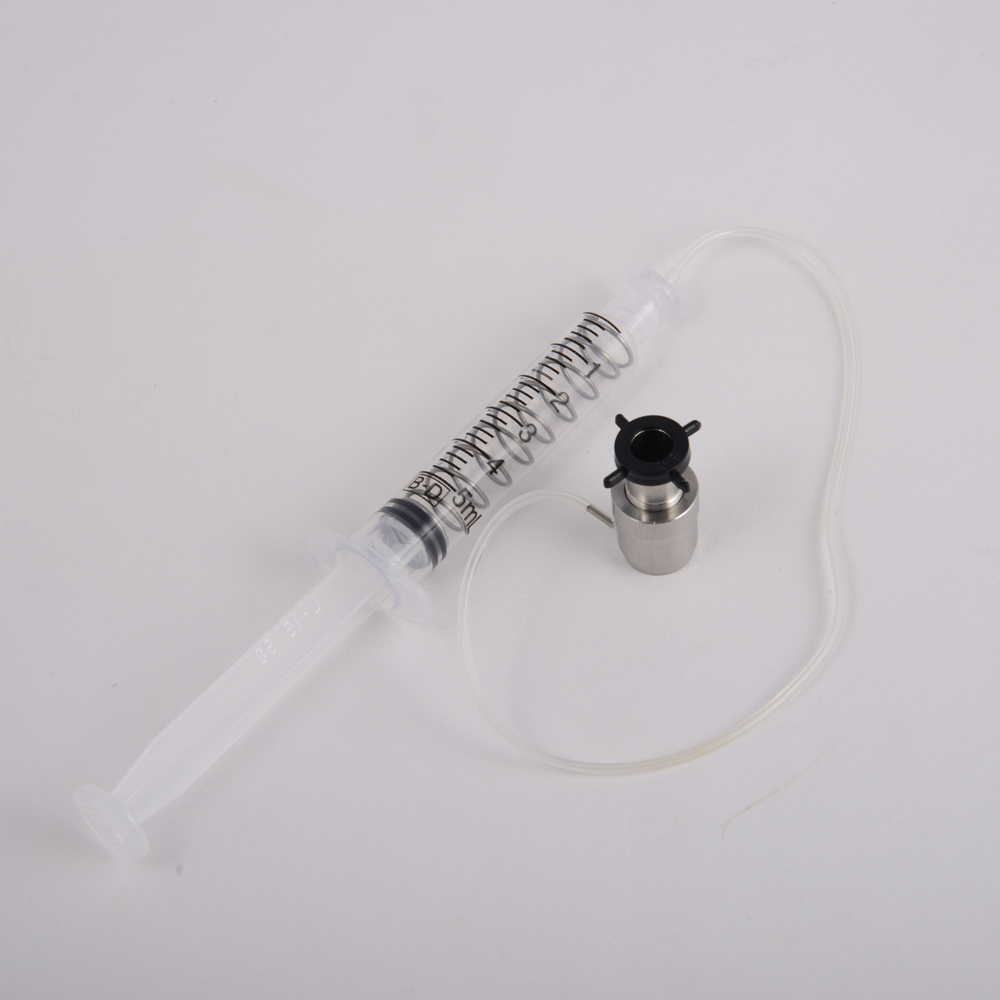
Designed for recipient cornea excision. A 360° suction cavity locks the trephine in place before cutting. A calibrated rotating mechanism advances the blade 0.25 mm per full turn (63 microns per quarter), with a marker pin tracking depth in real time.
- Fixation360° manual suction cavity
- Blade advance0.25 mm / rotation · 63 µm / quarter turn
- Sizes7.00 – 9.00 mm (0.25 mm steps)
- SterilityEO Sterile · CE certified

Ready-to-use blades for donor button cutting in PKP. Ultrasharp thin-profile edge minimises endothelial damage. See-through design aids centration. Widest size range in the Nanoedge line — suited to adult, paediatric, and research applications.
- FixationFreehand (hand-held)
- Sizes2.00 – 18.00 mm
- SterilityEO Sterile · CE certified
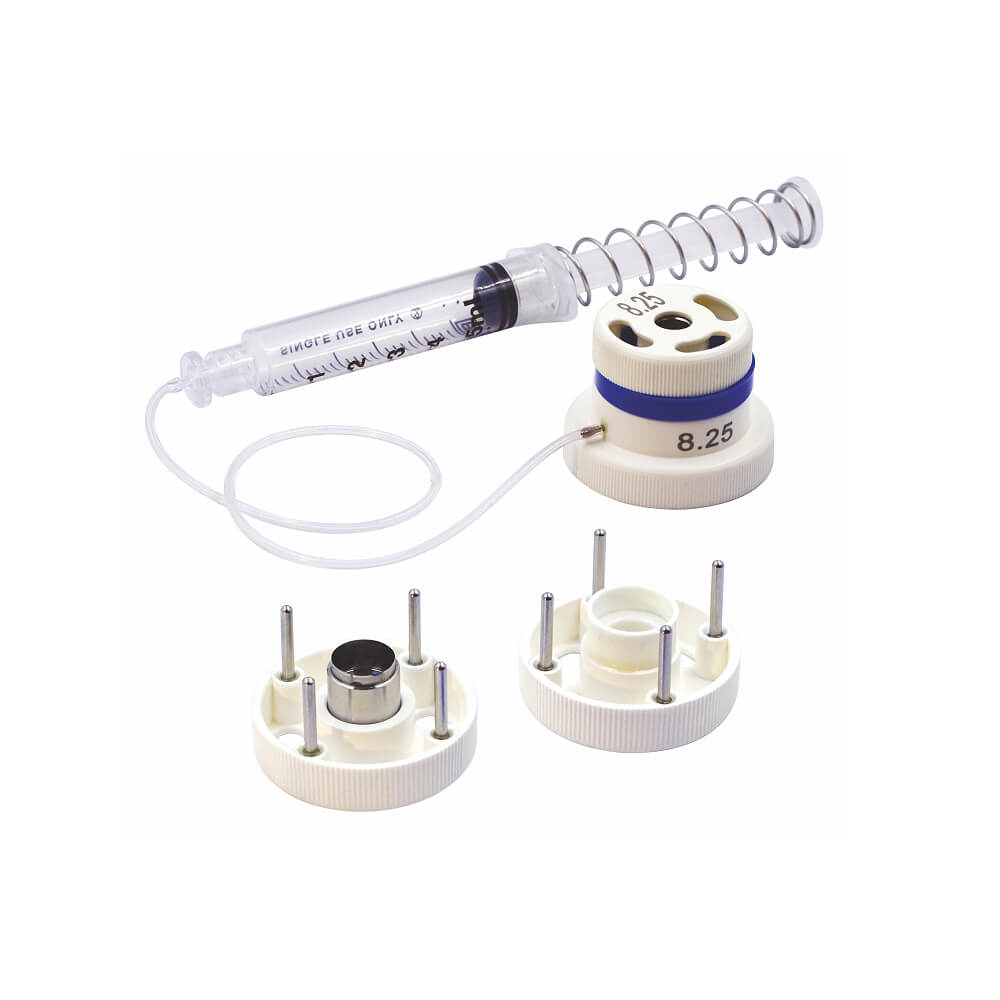
Vacuum-assisted donor preparation — preferred for endothelial keratoplasty where tissue integrity is critical. A spring-based syringe generates vacuum via silicone tubing. Four stainless steel guide pins ensure complete, even contact with the base before the cut. Double-sealed packaging — inner blister and peel-open outer pouch.
- FixationSpring-syringe vacuum system
- PackagingInner blister + peel-open outer pouch
- SterilityEO Sterile · CE certified

Excises a circular button from the donor cornea without a vacuum source. An ultrasharp blade with four stainless steel guide pins locks into a matching cutting block base — achieving automatic centration and removing manual alignment as a variable.
- Fixation4-pin auto-centring cutting block
- Vacuum requiredNo
- SterilityEO Sterile · CE certified

A pre-set fixed cutting depth ensures every incision is identical — regardless of the operator. Suitable for both donor and recipient tissue. See-through design aids accurate positioning.
- FixationFreehand
- Depth controlFactory pre-set (fixed)
- SterilityEO Sterile

Purpose-built for CAIRS — Corneal Allogenic Intrastromal Ring Segments. Two concentric blades cut inner and outer diameters simultaneously in one press, producing a perfect annular donor ring. Vacuum-assisted fixation centres the punch before cutting. Applicable across mild to very steep, very thin keratoconus corneas where synthetic segments are not suitable.
- MechanismDouble-blade concentric punch
- FixationVacuum-assisted
- Cut formatSimultaneous ID + OD
-
Sizes (ID – OD)
6.50–8.00 7.25–9.50 7.75–8.75 8.00–9.50 mm
- SterilityEO Sterile · CE certified
ID–OD sizing: ID = central clear zone preserved. OD = outer ring boundary. Select size based on cone location and required ring width.
A trephine that drifts by 0.1 mm during cutting does not produce a 0.1 mm error — it produces an oval incision, an asymmetric wound, and months of correctable astigmatism.
Quality built into every unit
Every Nanoedge trephine is individually inspected across three checkpoints before dispatch — diameter calibration, edge quality under magnification, and concentricity. All units are cleanroom-sealed with full batch traceability. The entire range carries CE certification.
Explore the Nanoedge range
Browse the full keratoplasty & cornea product catalogue on our website.
